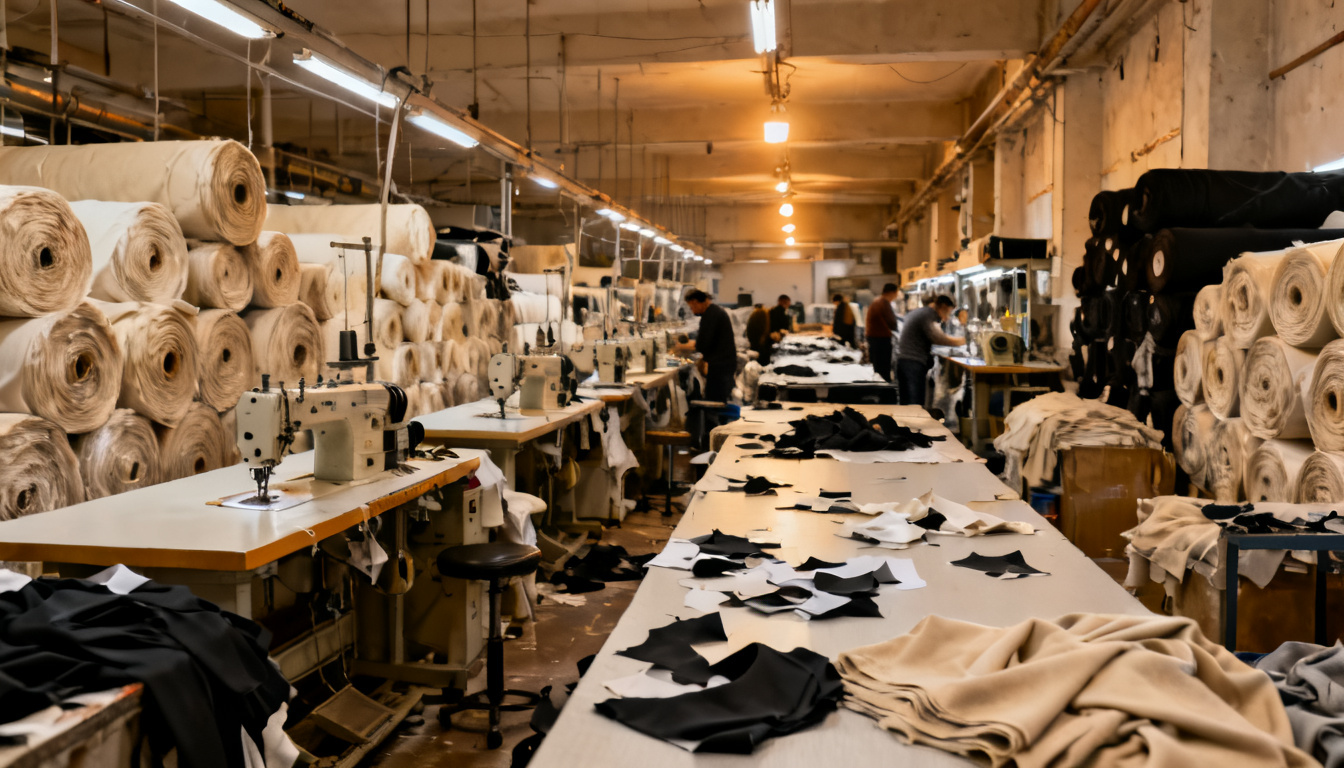
What is textile manufacturing in Turkey?
Textile manufacturing in Turkey refers to the production of fabrics, materials, trims, and finished textile goods through a well-developed supply chain that includes yarn, knitting, weaving, dyeing, finishing, garment production, quality control, packaging, and export. For fashion brands, Turkey is especially valuable because fabric sourcing, sampling, clothing manufacturing, and logistics can often be managed within the same production ecosystem.
Textile manufacturing in Turkey has a reputation built on experience, speed, practical know-how, and proximity to major fashion markets. For many brands, Turkey sits between two worlds: it offers a more accessible production base than distant overseas markets, while still giving buyers access to serious industrial capacity, skilled workmanship, and a broad fabric ecosystem.
The country is especially relevant for fashion brands that care about product development, communication, flexible production, and shorter supply chains. Whether a brand is developing heavyweight hoodies, private label basics, washed T-shirts, premium sweatpants, denim, knitwear, or cut-and-sew collections, Turkey can offer a strong foundation when the right manufacturer is selected.
This guide explains how textile manufacturing in Turkey works, why brands choose it, what to expect from the production process, and how to evaluate a Turkish textile or clothing manufacturer before starting a project.
Why Turkey Is Important for Textile Manufacturing
Turkey has been connected to textiles for generations. Its modern textile industry combines industrial production, skilled labor, fabric knowledge, regional trade experience, and access to European, Middle Eastern, and global markets.
For fashion companies, the main attraction is not only production capacity. It is the combination of several practical advantages that work together:
- Established textile and apparel production knowledge
- Strong fabric sourcing options
- Experienced garment manufacturers
- Shorter shipping routes to Europe compared with Asia
- Flexible product development for small and growing brands
- Good access to printing, embroidery, washing, labeling, and packaging
- Export experience with international fashion buyers
This makes textile manufacturing in Turkey especially attractive for brands that need more than a basic supplier. Many buyers are looking for a production partner that can understand design details, source appropriate fabric, create samples, manage production, and keep communication clear throughout the process.
Practical insight for brands
Turkey is often strongest when a brand needs a balance between quality, speed, and development support. It may not always be the cheapest option, but it can reduce delays, miscommunication, and hidden costs when the project requires hands-on production management.
How Turkey’s Textile Ecosystem Works
One reason Turkey is attractive to fashion brands is that much of the production chain is available locally. In many cases, a brand does not need to manage fabric from one country, trims from another, printing elsewhere, and garment assembly in a separate region. Turkey can often bring these steps closer together.
Fabric and raw material sourcing
Fabric is one of the most important parts of any fashion product. In Turkey, brands can source a wide range of materials, including cotton jersey, French terry, fleece, rib, interlock, denim, woven fabrics, linen blends, viscose, polyester blends, technical fabrics, and sustainable options depending on availability and supplier capability.
For a deeper look at material selection, read our guide to fabric sourcing in Istanbul.
Garment manufacturing
Garment manufacturing is where fabric becomes a finished product. Turkish clothing manufacturers may specialize in different categories such as knitwear, jersey, streetwear, denim, woven shirts, activewear, underwear, outerwear, or home textiles. The right choice depends heavily on the product.
A factory that is excellent at producing basic T-shirts may not be the best choice for structured jackets. A workshop that understands oversized streetwear may be more suitable for heavyweight hoodies than a supplier focused only on lightweight basics.
Finishing, printing, and branding
Finishing can change the entire feel of a garment. Washing, garment dyeing, enzyme treatment, softening, brushing, printing, embroidery, labeling, and packaging all contribute to the final product experience.
For private label brands, this stage is especially important because the customer does not only judge the fabric. They judge the full garment: the hand feel, the fit, the label, the packaging, and the consistency across the collection.
What Products Are Commonly Manufactured in Turkey?
Turkey manufactures a broad range of textile and clothing products. The strongest category for a specific buyer depends on the supplier, region, machinery, fabric access, and production team.
Common products include:
- T-shirts and jersey basics
- Hoodies, sweatshirts, and sweatpants
- Streetwear and oversized garments
- Denim jeans and jackets
- Woven shirts and trousers
- Knitwear and sweaters
- Activewear and casualwear
- Underwear and loungewear
- Kidswear and baby textiles
- Home textiles, towels, and bathrobes
- Private label clothing collections
For brands focused on branded collections, our guide to private label clothing production in Turkey explains how labels, trims, packaging, and garment identity are usually developed.
The Textile Manufacturing Process in Turkey
Textile manufacturing can look different depending on the product, but most fashion projects follow a similar structure. Understanding this process helps brands prepare better and communicate more clearly with manufacturers.
1. Product idea and technical preparation
The process usually starts with a clear product direction. A manufacturer needs more than a general idea such as “premium hoodie” or “oversized T-shirt.” The strongest projects start with a tech pack, reference images, measurements, fabric direction, colors, trims, logo placement, and finishing details.
If a brand does not have a complete tech pack, some manufacturers can still help develop the product. However, unclear specifications can lead to sampling delays, price changes, and production misunderstandings.
2. Fabric sourcing and material selection
Once the product direction is clear, the manufacturer or sourcing team looks for suitable fabrics. The brand may compare different fabric weights, compositions, textures, colors, and finishing options.
For example, a 420 GSM brushed fleece hoodie feels very different from a 320 GSM French terry hoodie. Both may be correct, but they serve different brand positions, climates, price points, and customer expectations.
3. Sampling and development
Sampling is where ideas become physical products. A first sample helps the brand evaluate fit, proportions, fabric behavior, stitching, print placement, and overall quality. Most serious projects require at least one round of comments before moving to bulk production.
Brands should review samples carefully and provide specific feedback. “Make it more premium” is not useful production feedback. “Increase sleeve length by 2 cm, lower shoulder seam by 1.5 cm, use heavier rib, and adjust hood depth” is much more useful.
4. Pricing and order confirmation
Final pricing depends on fabric, quantity, garment complexity, trims, finishing, printing, embroidery, packaging, and quality requirements. Minimum order quantities also vary. Some fabrics require minimum dyeing or knitting quantities, which can affect the production plan.
A practical buyer should confirm what is included in the price: fabric, cutting, sewing, labels, packaging, printing, embroidery, washing, quality control, and export preparation.
5. Bulk production
After sample approval and order confirmation, production begins. This may include fabric ordering, cutting, sewing, finishing, labeling, pressing, packing, and final inspection.
Good communication during this stage matters. Brands should ask for production updates, but they should also avoid changing approved details after production has started. Late changes can create waste, delays, and quality issues.
6. Quality control and shipping
Quality control should check measurements, stitching, fabric defects, color consistency, print or embroidery accuracy, labels, packaging, and final presentation. For export orders, packing and documentation should also be handled carefully.
A premium garment is not defined by fabric alone. It is defined by consistency. A brand may accept one beautiful sample, but customers receive the bulk order. That is why quality control is one of the most important parts of textile manufacturing in Turkey or anywhere else.
Why Istanbul Matters in Turkish Textile Manufacturing
Istanbul is one of the most important cities for clothing production and sourcing in Turkey. It connects fabric suppliers, workshops, showrooms, logistics companies, designers, pattern makers, print houses, embroidery services, and export-focused manufacturers.
For international brands, Istanbul is often easier to visit and manage compared with more distant manufacturing regions. A buyer can review fabrics, inspect samples, meet suppliers, visit production spaces, and discuss development details in one trip.
This is one reason many brands search specifically for a clothing manufacturer in Istanbul rather than only looking for a general supplier in Turkey.
Example: a streetwear brand
A streetwear brand developing hoodies and sweatpants may need heavyweight fleece, rib options, oversized patterns, puff printing, embroidery, garment washing, neck labels, hangtags, and export packing. In Istanbul, many of these services can be coordinated within the same production network, which makes development more manageable.
For brands that want a real production partner in the city, Istanbul Factory is one example of an Istanbul-based clothing manufacturing company working with fashion and streetwear brands.
Advantages of Textile Manufacturing in Turkey for Fashion Brands
Turkey’s value is strongest when a brand needs more than low-cost sewing. The country is often chosen by companies that care about design development, quality, flexibility, and reliable communication.
Shorter supply chain for European brands
For brands selling in Europe, Turkey offers a geographic advantage. Shorter shipping distances can support faster replenishment, easier visits, and more responsive production planning.
Strong development culture
Turkish manufacturers often work with brands that need product development support. This can include fabric recommendations, pattern improvements, sample comments, print techniques, embroidery placement, washing options, and packaging details.
Good balance between quality and flexibility
Turkey may be particularly useful for brands that are past the idea stage but not yet large enough for very rigid, high-volume supply chains. The right manufacturer can help a growing brand produce serious collections without losing too much control over product development.
Suitable for streetwear and private label brands
Streetwear requires more than basic clothing production. Fit, weight, texture, finishing, branding, and visual identity all matter. Turkey’s ecosystem can support these needs when the manufacturer has experience with the category.
If your brand focuses on hoodies, sweatpants, oversized T-shirts, or branded casualwear, our guide to streetwear manufacturing in Turkey explains the process in more detail.
Challenges and Practical Considerations
Textile manufacturing in Turkey has many strengths, but brands should approach it with realistic expectations. A good production outcome depends on preparation, supplier selection, communication, and quality control.
Turkey is not always the cheapest option
Some buyers compare Turkey only against low-cost production markets. That is usually the wrong comparison. Turkey is often more about value, speed, flexibility, and development control than simply the lowest possible unit price.
Minimum order quantities still matter
Some new brands expect very small quantities with custom fabrics, custom colors, labels, packaging, and finishing. In reality, every fabric and factory has production limits. Minimums may depend on fabric availability, dyeing requirements, cutting efficiency, and production planning.
Supplier specialization is important
Not every manufacturer is suitable for every product. A brand should look for a supplier with experience in the exact product category. A streetwear brand should not choose a formal shirt factory only because the price looks attractive.
Clear specifications reduce risk
The more clearly a brand defines its product, the easier it is for a manufacturer to quote accurately and produce consistently. Tech packs, size charts, fabric references, Pantone colors, logo files, and finishing notes are not small details. They protect the project.
How to Choose a Textile Manufacturer in Turkey
Choosing the right partner is the most important decision in the production process. A good manufacturer should understand your product, communicate clearly, provide realistic timelines, and explain what is possible before production begins.
Before working with a Turkish textile or clothing manufacturer, brands should check:
- Does the manufacturer specialize in your product category?
- Can they show relevant production examples?
- Do they understand your fabric, fit, and finishing expectations?
- Can they explain their MOQ clearly?
- Do they provide sampling before bulk production?
- How do they handle quality control?
- What is included in the quoted price?
- Can they support labels, packaging, printing, or embroidery?
- Do they have experience with export orders?
- Are timelines and payment terms clearly defined?
The best manufacturer is not always the one with the lowest price. For serious fashion brands, the best partner is the one that understands the product, protects quality, communicates clearly, and can deliver consistently.
Final Thoughts
Textile manufacturing in Turkey can be a strong choice for fashion brands that want quality, speed, flexibility, and access to a mature production ecosystem. The country offers strong advantages in fabric sourcing, garment manufacturing, private label development, streetwear production, and export-ready clothing.
The key is choosing the right production partner. Brands should prepare clear product details, evaluate samples carefully, understand minimum order quantities, and work with manufacturers that have proven experience in their category.
For brands willing to approach production professionally, Turkey can offer much more than a place to manufacture garments. It can become a practical base for developing, refining, and scaling fashion products with better control over quality and timing.
FAQ: Textile Manufacturing in Turkey
Is Turkey good for textile manufacturing?
Yes. Turkey is a strong textile manufacturing destination because it combines fabric availability, garment production experience, skilled suppliers, export logistics, and proximity to Europe. It is especially relevant for brands that need quality, flexibility, and shorter lead times.
What products are commonly manufactured in Turkey?
Turkey manufactures many textile and clothing products, including T-shirts, hoodies, sweatshirts, sweatpants, denim, knitwear, woven garments, activewear, underwear, home textiles, towels, fabrics, and private label collections.
Why do fashion brands choose textile manufacturing in Turkey?
Fashion brands often choose Turkey for its combination of quality production, fabric sourcing options, European market proximity, faster communication, flexible development, and experience with export-oriented manufacturing.
Is Istanbul important for textile manufacturing in Turkey?
Yes. Istanbul connects fabric suppliers, garment workshops, sampling teams, printing and embroidery services, logistics providers, and export-focused manufacturers. This makes it one of the most important clothing production hubs in Turkey.
What should brands check before working with a Turkish textile manufacturer?
Brands should check product specialization, sample quality, fabric options, minimum order quantities, production capacity, quality control process, communication quality, export experience, payment terms, and whether the manufacturer understands the brand’s technical requirements.