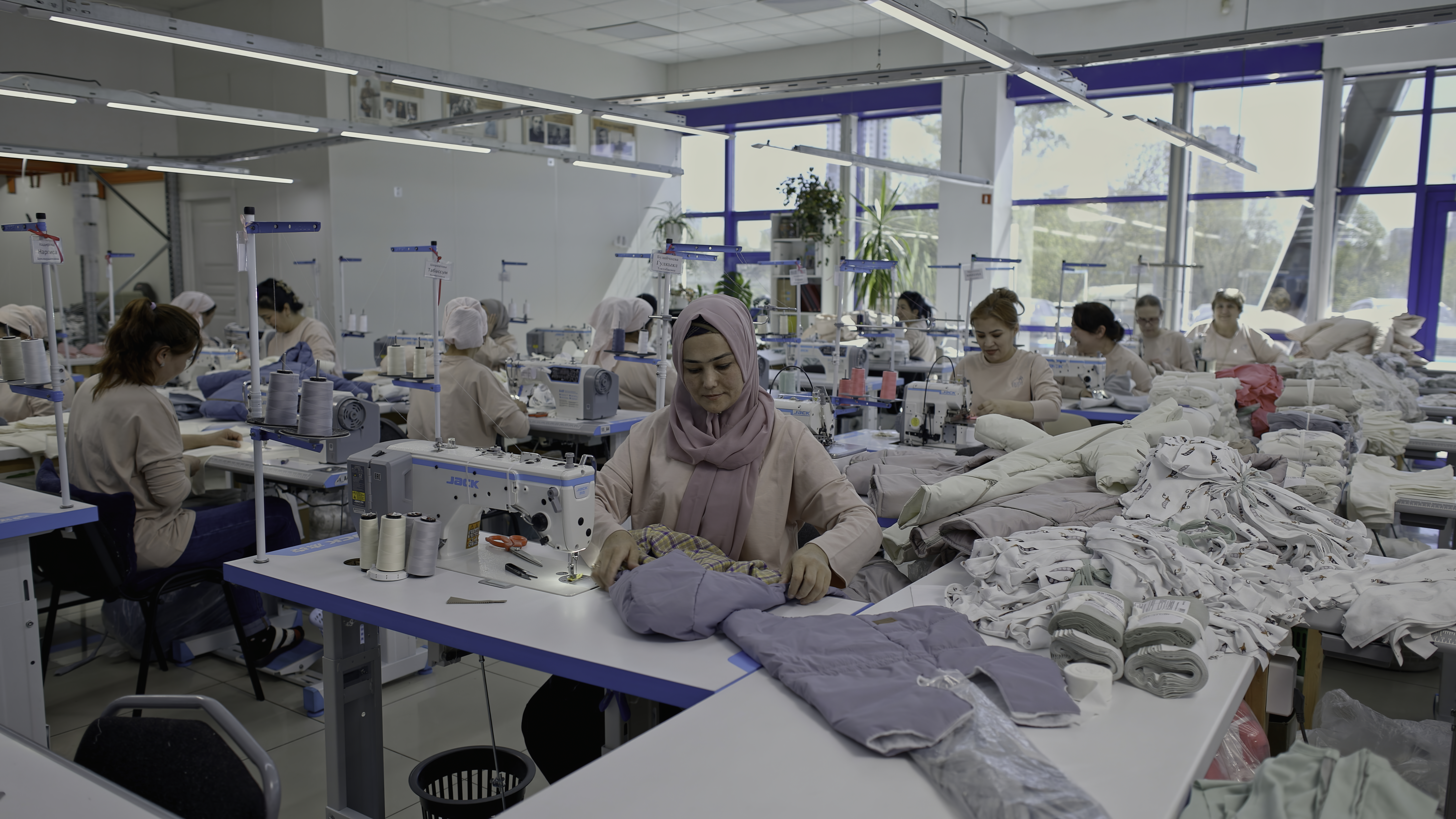
What is a clothing manufacturer in Istanbul?
A clothing manufacturer in Istanbul is a production partner that helps brands turn garment ideas into finished clothing through services such as fabric sourcing, pattern development, sampling, cutting, sewing, printing, embroidery, labeling, quality control, packaging, and export preparation. Istanbul is especially relevant because many parts of the textile and apparel supply chain are located close together, allowing brands to manage development and production more efficiently.
Choosing a clothing manufacturer in Istanbul can be one of the most important decisions a fashion brand makes. A good manufacturer does more than sew garments. It understands fabric, fit, trims, labels, production timing, quality control, and the commercial reality of building a collection.
Istanbul is one of Turkey’s most practical manufacturing cities for fashion brands because it connects textile suppliers, garment workshops, sampling teams, printing and embroidery services, packaging suppliers, logistics companies, and export-focused manufacturers. For brands selling in Europe or working internationally, this connected ecosystem can make production easier to control.
This guide explains how to choose a clothing manufacturer in Istanbul, what services to expect, what brands should prepare before contacting suppliers, and how to avoid common production mistakes.
Why Istanbul Matters for Clothing Manufacturing
Istanbul is not only a large city with clothing workshops. It is a textile business hub where sourcing, development, production, finishing, branding, and logistics often operate within the same commercial network.
For fashion brands, this matters because garment production is rarely one simple step. A hoodie may require fleece sourcing, rib selection, pattern development, embroidery, woven labels, care labels, custom packaging, size grading, quality checks, and export packing. When these services are accessible within one city, communication becomes easier and development can move faster.
Istanbul can be especially useful for brands that need:
- Fabric sourcing support
- Sampling and product development
- Private label clothing production
- Streetwear and casualwear manufacturing
- Printing and embroidery services
- Labels, trims, and packaging
- Quality control before export
- Better access to European markets
To understand the wider production environment, read our guide to textile manufacturing in Turkey.
Practical insight for buyers
Istanbul is often strongest when a brand needs coordination. If your collection requires fabric sourcing, custom labels, sampling, printing, embroidery, and export packing, working with a manufacturer that understands the full process can reduce delays and production mistakes.
What a Clothing Manufacturer Actually Does
A clothing manufacturer is responsible for turning a product idea into a finished garment. Some manufacturers only handle cutting and sewing, while others offer a more complete production service that includes sourcing, sampling, branding, quality control, and logistics support.
Basic manufacturing services
Basic garment manufacturing may include pattern preparation, cutting, sewing, pressing, and packing. This can be enough for brands that already have fabric, trims, tech packs, and clear production instructions.
Full-service manufacturing
Full-service clothing manufacturers can support more of the production chain. This may include fabric sourcing, sample development, size grading, printing, embroidery, labels, trims, packaging, quality control, and export preparation.
For new brands or brands producing in Turkey for the first time, full-service support can be valuable because it reduces the number of separate suppliers the brand must manage.
Product development support
Product development is where the manufacturer helps translate a brand’s idea into a manufacturable garment. This may involve fabric recommendations, construction suggestions, fit adjustments, pattern changes, print placement tests, or finishing advice.
A strong manufacturer should be able to explain production realities clearly. If a fabric is unsuitable, a print is too large for the garment, or a requested MOQ is not realistic, the supplier should communicate that early.
What Products Can Be Produced in Istanbul?
Clothing manufacturers in Istanbul can produce many garment categories, although each factory usually has its own specialization. Brands should choose a manufacturer based on the exact product they want to make.
Common categories include:
- T-shirts and long sleeves
- Hoodies and sweatshirts
- Sweatpants, joggers, and shorts
- Streetwear and oversized garments
- Tracksuits and casualwear
- Private label basics
- Denim garments
- Woven shirts and trousers
- Knitwear and sweaters
- Activewear and loungewear
- Light outerwear and jackets
A brand producing heavyweight hoodies should look for a manufacturer experienced with fleece, rib, oversized patterns, embroidery, and print placement. A brand producing woven shirts needs a different type of supplier. Category fit matters.
How Clothing Production Works in Istanbul
The clothing production process in Istanbul usually follows a clear structure. The details may change depending on the manufacturer and product category, but most projects move through the same main stages.
1. Inquiry and product brief
The brand shares its product idea, reference images, target quantity, size range, fabric direction, colors, labels, trims, and any available tech packs. The clearer the brief, the more accurate the manufacturer’s response.
2. Fabric and material planning
The manufacturer reviews fabric options or works with suppliers to find suitable materials. This stage affects price, quality, sampling, MOQ, and lead time.
For a detailed sourcing explanation, read our guide to fabric sourcing in Istanbul.
3. Sampling
Sampling allows the brand to review the real garment before bulk production. It confirms fit, fabric, construction, print or embroidery placement, labels, and finishing quality.
4. Sample revision and approval
Most serious production projects require feedback. Brands should give specific comments, such as adjusting sleeve length, changing rib quality, moving a print, improving hood shape, or correcting label placement.
5. Pricing and order confirmation
Once fabric, sample, trims, and production details are confirmed, the manufacturer can provide a more reliable price. Brands should confirm what is included in the quotation: fabric, cutting, sewing, labels, printing, embroidery, packaging, quality control, and export preparation.
6. Bulk production
Bulk production may include fabric ordering, cutting, sewing, washing, printing, embroidery, labeling, pressing, packing, and final inspection.
7. Quality control and shipment
Final quality control checks measurements, fabric defects, stitching, color consistency, labels, packaging, and decoration accuracy. Export preparation should be handled carefully, especially for international buyers.
Fabric Sourcing and Material Selection
One of Istanbul’s major advantages is access to fabrics and textile suppliers. Fabric sourcing can be connected directly with sampling and production, which helps brands make more practical decisions.
A manufacturer may help source:
- Cotton jersey
- French terry
- Brushed fleece
- Rib fabrics
- Interlock
- Woven cottons
- Denim
- Linen blends
- Polyester blends
- Technical fabrics
- Sustainable or certified fabric options where available
Fabric should be selected based on product purpose, target price, customer expectation, season, production method, and quality needs. A premium hoodie and a lightweight summer T-shirt require completely different fabric decisions.
A strong clothing manufacturer does not treat fabric as a separate detail. Fabric affects fit, price, production timing, washing, decoration, and how the customer experiences the garment.
Private Label Clothing Manufacturing in Istanbul
Istanbul is a practical location for private label clothing because the city can support many brand-building details. Private label production means garments are produced under the brand’s own identity, with custom labels, packaging, trims, and design direction.
Private label services may include:
- Custom neck labels
- Care labels
- Woven labels and patches
- Hangtags
- Branded packaging
- Print and embroidery
- Custom trims
- Product sampling
- Quality control
For a more detailed guide to this model, read private label clothing production in Turkey.
Streetwear Production in Istanbul
Streetwear production requires attention to fabric weight, oversized fit, structure, decoration, finishing, and brand details. Istanbul can be suitable for streetwear brands because fabric sourcing, sampling, printing, embroidery, and garment production can often be managed through the same textile network.
Streetwear brands should pay special attention to:
- Heavyweight jersey and fleece
- French terry quality
- Rib recovery
- Oversized patterns
- Hood shape and shoulder drop
- Print placement
- Embroidery density
- Washing and finishing
- Label and packaging presentation
To understand this category in more depth, read our guide to the streetwear production process in Turkey.
MOQ, Pricing, and Lead Times
Minimum order quantity, pricing, and lead time depend on the product, fabric, color, customization level, decoration, packaging, and manufacturer capacity. Brands should discuss these details early because they shape the entire production plan.
What affects MOQ?
MOQ may be affected by:
- Fabric availability
- Custom dyeing requirements
- Printing or embroidery setup
- Number of colors
- Number of sizes
- Garment complexity
- Label and packaging minimums
- Factory production planning
What affects pricing?
Pricing is usually shaped by fabric cost, labor, production complexity, trims, decoration, washing, packaging, quality control, and order quantity. A simple T-shirt, a heavyweight embroidered hoodie, and a washed oversized sweatshirt will not have the same production cost.
Why clear details matter
A manufacturer cannot quote accurately without enough information. “How much is a hoodie?” is too broad. A better request includes fabric weight, style references, quantity, colors, print or embroidery details, labels, packaging, and target quality.
Quality Control and Production Standards
Quality control protects the brand. Customers do not judge the factory; they judge the label on the garment. This is why measurement consistency, stitching, fabric quality, labels, prints, embroidery, and packaging should be checked before shipment.
A quality control process should include:
- Measurement checks against the approved size chart
- Fit comparison with the approved sample
- Fabric defect inspection
- Stitching and seam quality
- Print and embroidery accuracy
- Label placement
- Color consistency
- Packaging review
- Final presentation check
For export orders, packing and documentation should also be managed carefully. A strong manufacturer should explain how it handles inspection before shipment.
How to Choose the Right Clothing Manufacturer in Istanbul
Choosing the right manufacturer requires more than comparing prices. A low price can become expensive if the supplier does not understand the product, cannot source the right fabric, misses quality details, or communicates poorly.
Before choosing a clothing manufacturer in Istanbul, brands should ask:
- Do they have experience with your product category?
- Can they show relevant samples or production examples?
- Can they support fabric sourcing?
- Do they offer sampling before bulk production?
- Can they handle labels, trims, and packaging?
- Do they support printing, embroidery, or washing?
- What are their MOQs by style and color?
- How do they calculate pricing?
- What is included in the quotation?
- How do they manage quality control?
- Do they have export experience?
- How clearly do they communicate during the first inquiry?
Choose specialization over general claims
A supplier may say it can produce everything, but strong production usually comes from specialization. A factory experienced in streetwear may be better for hoodies and oversized T-shirts. A woven garment specialist may be better for shirts, trousers, or structured pieces.
Check the sample quality
The sample is one of the best ways to judge a manufacturer. Look at fabric quality, stitching, measurements, shape, labels, finishing, and how closely the sample follows your instructions.
Evaluate communication
Clear communication is a production skill. A good manufacturer should ask useful questions, explain limitations, confirm details, and avoid vague promises.
Practical example
If a brand wants to produce a 500-piece hoodie order with custom labels, puff print, heavyweight fleece, and branded packaging, the manufacturer should discuss fabric availability, print testing, sample approval, label lead time, packaging minimums, production schedule, and quality control before confirming the final order.
Working With an Istanbul-Based Production Partner
The best manufacturer for your brand is the one that understands both the product and the business goal. A startup may need guidance and realistic MOQ planning. A growing streetwear brand may need consistent fabric and repeat production. An established fashion company may need reliable quality control and export coordination.
For brands looking for an Istanbul-based clothing production partner, Istanbul Factory is one example of a manufacturer working with fashion brands, private label projects, streetwear collections, and custom clothing production.
Final Thoughts
A clothing manufacturer in Istanbul can give fashion brands access to a connected production ecosystem that includes fabric sourcing, sampling, garment manufacturing, printing, embroidery, labels, packaging, quality control, and export preparation. This can be especially useful for brands that want more control over product development and production timing.
The right manufacturer should not be chosen by price alone. Brands should look for product-category experience, clear communication, strong sampling, realistic MOQ guidance, quality control, and the ability to connect materials with finished garment production.
Istanbul can be a strong production base for brands that approach manufacturing professionally. Prepare the product clearly, test samples carefully, confirm details before bulk production, and work with partners who understand the standard your brand wants to deliver.
FAQ: Clothing Manufacturer in Istanbul
Why choose a clothing manufacturer in Istanbul?
Brands choose a clothing manufacturer in Istanbul because the city connects fabric suppliers, garment workshops, sampling teams, printing and embroidery services, private label suppliers, packaging providers, and export logistics in one production ecosystem.
What can clothing manufacturers in Istanbul produce?
Clothing manufacturers in Istanbul can produce many garment categories, including T-shirts, hoodies, sweatshirts, sweatpants, streetwear, private label clothing, woven garments, denim, knitwear, casualwear, activewear, and branded collections.
How do I choose the right clothing manufacturer in Istanbul?
Choose a manufacturer based on product-category experience, fabric sourcing ability, sample quality, communication, MOQ, production capacity, quality control process, private label support, export experience, and clear pricing.
Is Istanbul suitable for private label clothing production?
Yes. Istanbul is suitable for private label clothing production because brands can access fabrics, labels, trims, printing, embroidery, packaging, sampling, garment manufacturing, and export logistics through a connected textile ecosystem.
What should brands prepare before contacting a manufacturer in Istanbul?
Brands should prepare product references, target quantities, size range, fabric direction, colors, artwork files, label requirements, packaging expectations, target price level, and tech packs or measurement charts if available.